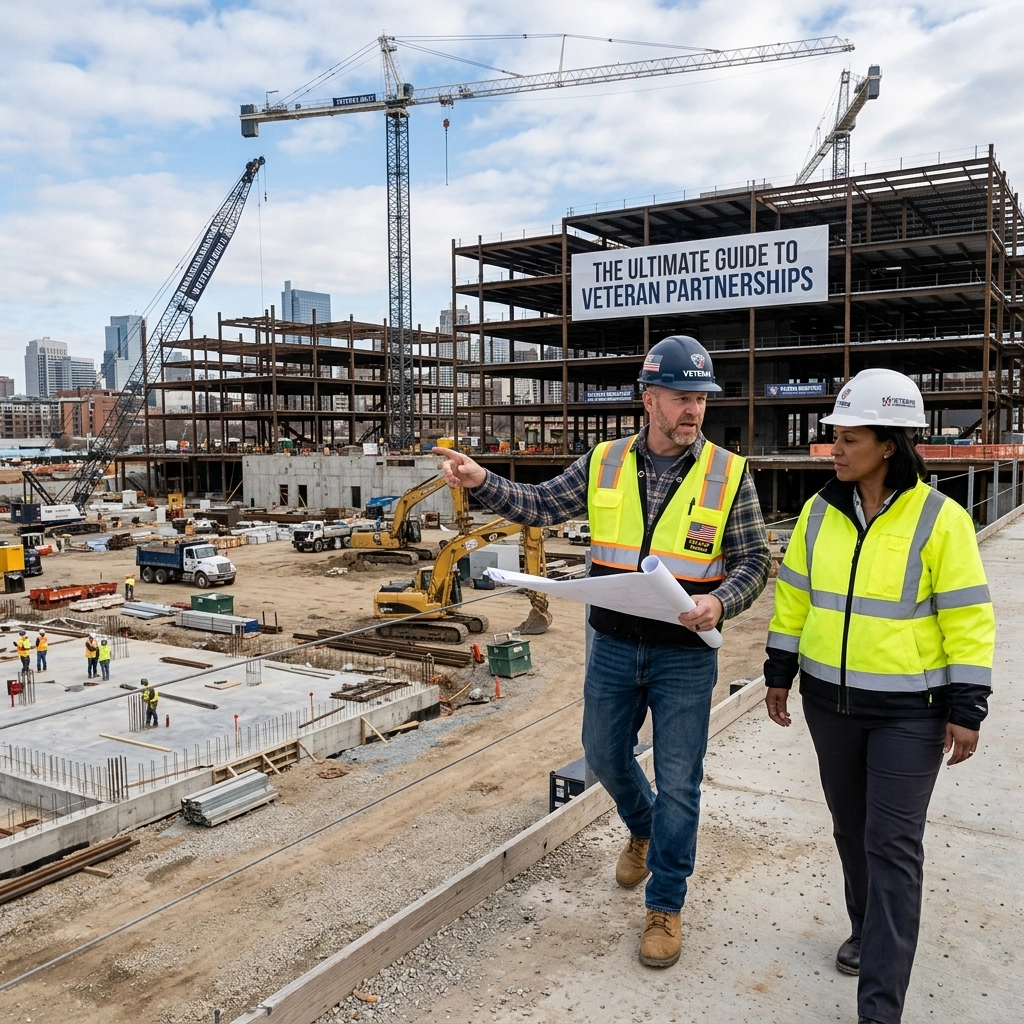
Stop looking for temporary fixes to your permanent labor shortages. If you are managing a megaproject with a timeline exceeding twelve months, you already know that traditional staffing models are breaking under the weight of current demand. You need a workforce that offers more than just technical skill; you need discipline, adaptability, and a commitment to seeing a mission through to its final phase.
By partnering with the Veteran Memorial Project and embracing our "Cities That Build America" initiative, you unlock a strategic advantage that most contractors overlook. This guide walks you through the transition from struggling with turnover to leading a site powered by the men and women who have already proven their worth in the most high-stakes environments on Earth. Dive deep into how mobile veteran training cities can revolutionize your next long-term construction site.
Tackle the Labor Crisis with Military Precision
The construction industry is facing a deficit of hundreds of thousands of workers, and megaprojects: those lasting over a year: suffer the most. When you lose a skilled worker six months into a three-year project, you aren't just losing a set of hands; you are losing institutional knowledge and momentum. Veterans bring a unique solution to this problem because they are trained to operate within long-term mission cycles.
Harness the power of the "Cities That Build America" initiative to stabilize your workforce from day one. This program doesn't just "find" workers; it creates an ecosystem where veterans live, train, and work directly on or near your site. You reduce the friction of relocation and housing, ensuring your team is focused entirely on the project at hand.
Maintain a logical flow in your project management by integrating veterans who understand the chain of command and the importance of safety protocols. These individuals are accustomed to rigorous standards and do not require the "soft skill" coaching that younger, less experienced laborers often do. If you want to finish on time and under budget, you need the reliability that only a veteran-led crew provides.

Implement Mobile Veteran Training Cities
Visualize a fully functional, self-sustaining community that moves with your project. Our mobile training cities are designed to solve the two biggest hurdles in modern construction: localized training and affordable housing. When you approve a partnership for a mobile city, you are setting up a powerhouse of productivity right next to your site.
Break down your content silos by allowing veteran trainees to learn the specific trades your project requires in real-time. Whether your site needs specialized welding, heavy equipment operation, or advanced electrical work, the "Cities That Build America" framework adapts to your technical specs. This ensures that every veteran joining your line has been trained on the exact equipment and blueprints they will use daily.
Keep your readers engaged by highlighting the logistical ease of this setup. These mobile cities include modern modular housing, dining facilities, and medical hubs. By providing a high quality of life for the veteran workforce, you eliminate the fatigue and dissatisfaction that often lead to "project hopping" in the civilian labor market.
Align with Unions and Municipalities
Forge stronger bonds with local unions and city officials by presenting a partnership that benefits the entire community. Municipalities love the "Cities That Build America" initiative because it brings high-paying jobs and federal training dollars into their jurisdiction. You aren't just building a bridge or a skyscraper; you are building a legacy of veteran support that resonates with voters and local leaders.
Hook your readers by explaining the union advantage. Veterans are the perfect candidates for union apprenticeships because they already respect the collective bargaining structure and the value of master-craftsmanship. By facilitating this bridge between the military and the union hall, you ensure a steady stream of "Gold Standard" workers for years to come.
Check out how we structure these partnerships on our sitemap to see the scale of our current municipal outreach. By positioning your company as a veteran-friendly employer, you also gain significant leverage when bidding on government-funded infrastructure projects that require specific veteran hiring quotas.
Maximize Financial Incentives and Social ROI
Dive deep into the fiscal benefits of veteran partnerships. Beyond the obvious productivity gains, your company can tap into various tax credits, such as the Work Opportunity Tax Credit (WOTC), which rewards businesses for hiring qualified veterans. These financial offsets can significantly lower your overhead on long-term labor contracts.
Maintain a respectful brand tone while communicating the social impact of your work. Every veteran you hire through our initiative is a person being successfully reintegrated into the civilian economy with a purpose. This narrative is powerful for your corporate social responsibility (CSR) reporting and can be a deciding factor for investors who value ethical business practices.
Show your support for the cause by checking out our official gear, which helps fund the very training cities that power your sites. When your team wears the mark of the Veteran Memorial Project, they aren't just wearing a uniform; they are wearing a symbol of commitment to those who served.

Create a Culture of Heritage on Your Site
Integrate the heart of your message into the literal foundation of your project. At the Veteran Memorial Project, we believe that construction is more than just steel and concrete: it is a form of heritage. By involving veterans in the creation of America's future infrastructure, you are allowing them to continue their service in a new, tangible way.
Use metaphorical language sparingly to remind your stakeholders that these projects will "stand as monuments" to American resilience. When a veteran helps build a city center or a highway, they are leaving a mark that will last for generations. This sense of ownership leads to higher quality work and a meticulous attention to detail that is rare in high-turnover environments.
Encourage your site managers to adopt an authoritative yet encouraging voice when leading veteran crews. Veterans thrive under clear leadership and well-defined goals. By establishing a culture of mutual respect, you create an environment where small issues are solved internally before they become project-delaying crises.

Your 5-Step Action Plan for Success
- Assess Your Long-Term Needs: Look at your project pipeline for the next 24-36 months. Identify the specific labor gaps that have historically cost you the most in delays.
- Contact the Veteran Memorial Project: Reach out to Dan Kost and our team to discuss the "Cities That Build America" rollout for your specific location.
- Coordinate with Local Unions: Ensure your labor agreements are aligned with veteran apprenticeship programs to streamline the hiring process.
- Launch the Mobile Training City: Work with our logistics team to deploy housing and training modules near your project site.
- Monitor and Scale: Use the data from your veteran crews to optimize your site performance and prepare for your next major bid.
By following this roadmap, you ensure that your project is not just a success on paper, but a landmark achievement in veteran advocacy and American engineering. The labor shortage doesn't have to be your bottleneck. Let the "Cities That Build America" initiative be the engine that drives your company forward.
Within the body of your project history, these veteran partnerships will stand out as the moment your operations moved from reactive to proactive. If you are ready to lead the industry into a more stable and respectful future, the time to act is now. Keep your projects moving, your workers housed, and our veterans employed. Together, we are building more than just buildings; we are building a future worthy of those who defended it.